






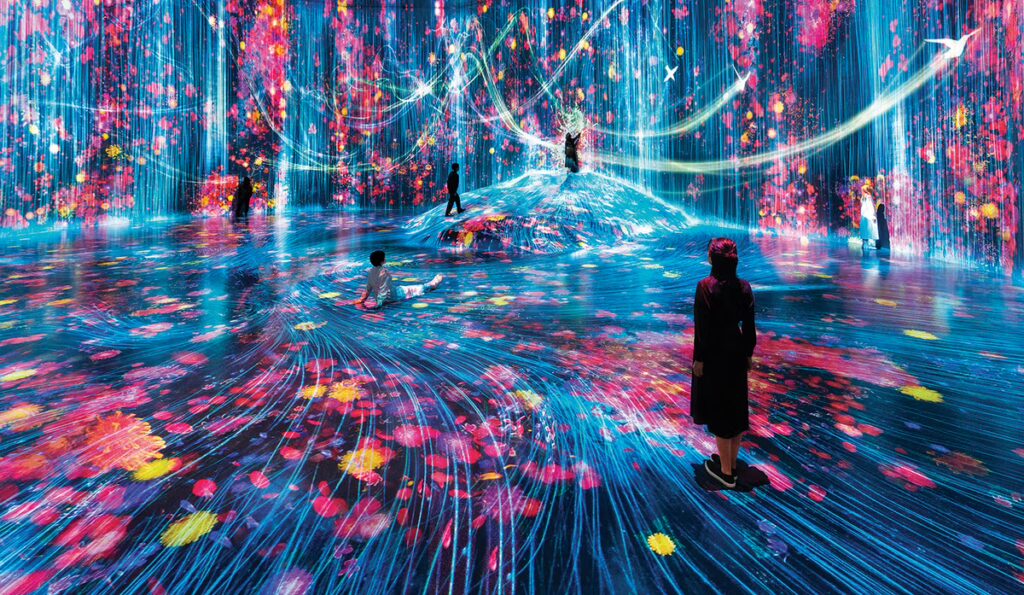
Interactive art is reshaping how we experience creativity. Unlike traditional artwork that is simply observed, interactive pieces respond to touch, sound, movement, or presence, making the viewer an essential part of the artwork itself. From immersive light rooms to kinetic installations and digital environments, this genre invites participation, curiosity, and connection. Before exploring the best interactive art museums, let’s take a moment to learn what interactive art is.
What Is Interactive Art?
Interactive art blends technology, design, and imagination to form living environments that react to the people within them. These works are often multisensory, involving light, sound, and motion to stimulate engagement on physical, emotional, and cognitive levels. The result is a creative space that adapts and evolves—making every encounter unique.
Why It Matters: Science and Human Development
Recent scientific studies in neuroscience and psychology have revealed just how powerful interactive environments can be.
Mental Well-Being:
Multisensory, immersive experiences help lower stress hormones and trigger the release of dopamine and serotonin, brain chemicals linked to happiness, creativity, and emotional balance. Engaging with art through touch, sound, and movement can induce a state of mindfulness, helping people feel more grounded and emotionally refreshed.
Child Development:
For children, interactive art offers more than just entertainment. It supports fine motor skills, spatial reasoning, and sensory integration, critical aspects of early brain development. According to research from the University of Washington and Stanford, multisensory play strengthens neural pathways and improves cognitive flexibility, especially in early years.
Social Connection and Creativity:
Interactive installations also foster shared experiences. Whether families are exploring together, or strangers are joining in a space that invites collaboration, this kind of art encourages communication, empathy, and joy. It taps into something ancient and human: the need to connect through movement, rhythm, and shared imagination.
Where to Experience Interactive Art in Best interactive art museums Around the World
From Tokyo to Denver to Calgary, interactive art is gaining global momentum. Here are some standout destinations that show how creativity, technology, and audience participation are shaping the future of the arts:
teamLab Borderless (Tokyo, Japan)
One of the world’s most iconic digital art museums, teamLab Borderless creates constantly evolving spaces where visitors walk through living light and sound installations. Walls respond to motion, colors shift with presence, and every step becomes part of the art.
Meow Wolf (Santa Fe, Denver, Las Vegas)
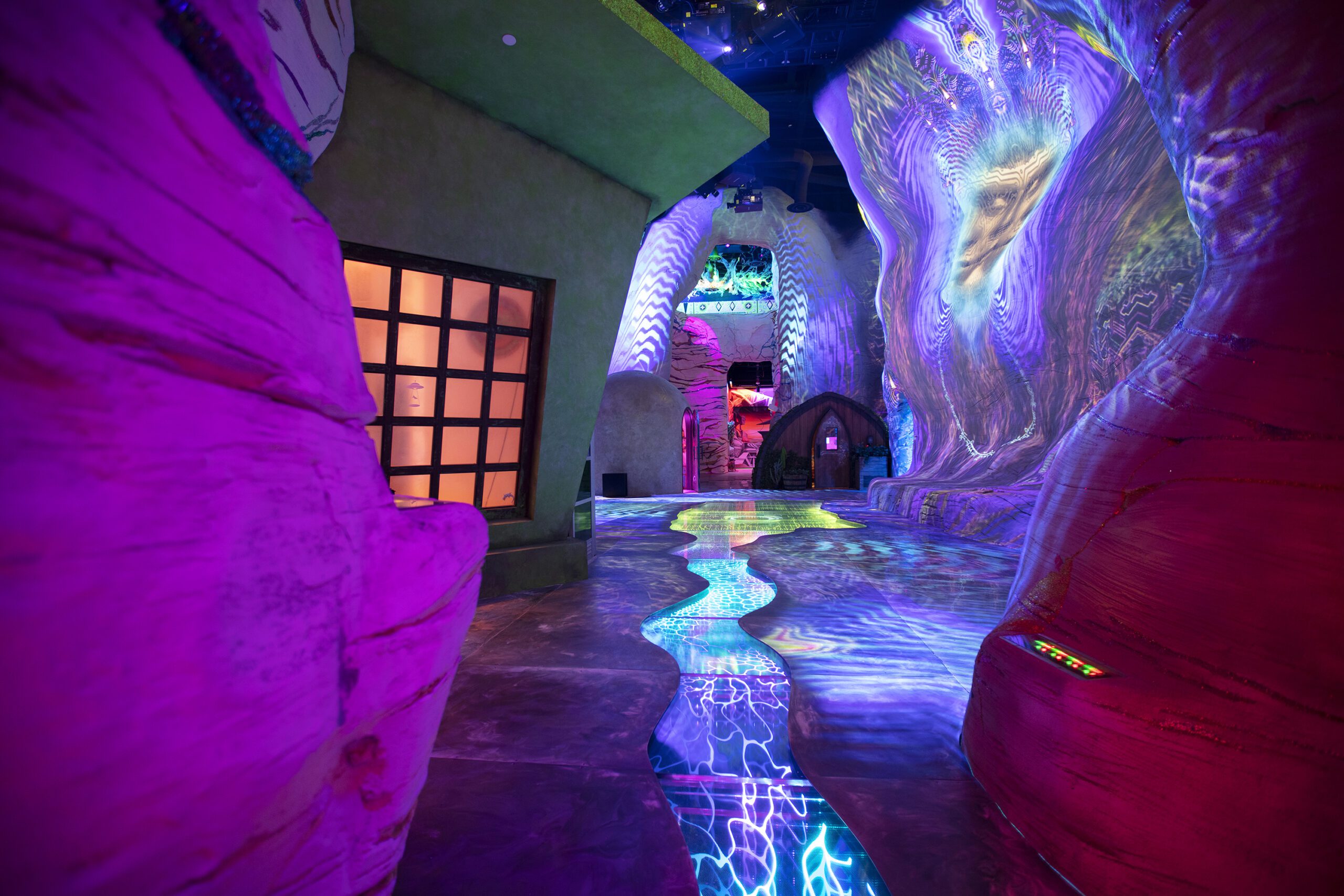
An immersive storytelling experience across several U.S. cities, Meow Wolf invites visitors to explore surreal, dreamlike environments. Interactive rooms, hidden passageways, and responsive installations encourage imagination, curiosity, and playful discovery.
ARTECHOUSE (New York, D.C., Miami)
Focused on technology-driven installations, ARTECHOUSE blends art and science in data-inspired visuals that respond to sound, motion, and light. These spaces are often used to explore themes like quantum mechanics, fractals, or human perception.
Calgary Selfie Museum (Calgary, Canada), One of the best interactive art museums
Interactive art has also found a vibrant home in Calgary. At Calgary Selfie Museum, visitors can experience immersive rooms filled with playful light, color, and reflections. One standout is the new interactive door installation. When guests open the door, they are greeted by a lively video that invites them to participate by making hand gestures synchronized to rhythmic music. This fun, engaging activity turns everyday movements into a playful performance, allowing people to become part of the video in a humorous and memorable way.
This door installation has quickly become popular, drawing many Calgarians only to experience this trendy, interactive activity. It highlights how even simple, well-designed interactive art can foster joy, connection, and creativity.